
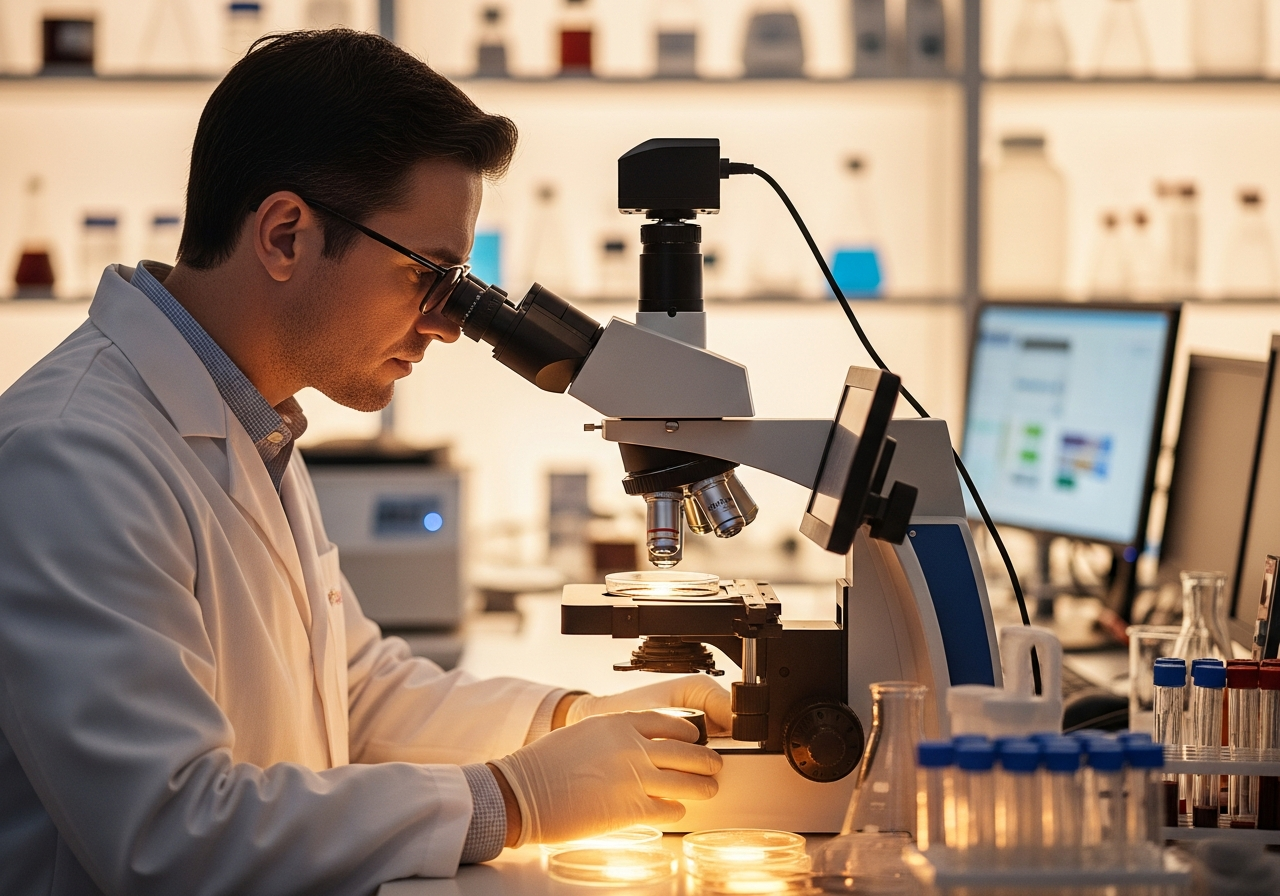
Stem Cell Therapy in Mexico: A Patient Educational Guide
Learn about regenerative medicine, current areas of scientific research, and the patient evaluation process used by licensed medical professionals in Mexico.
This page is for educational purposes only. It does not constitute medical advice.
Request Your Free Educational Guide
Receive educational resources about regenerative medicine and learn more about the evaluation process.
Success
Learn about the Global Institute of Stem Cell Therapy and Research and its mission to advance regenerative medicine.
What Are Stem Cells?
The Body's Master Cells
Stem cells are undifferentiated cells capable of self-renewal and differentiation into specialized cell types. They form the foundation of regenerative medicine research.
Types Under Study
Mesenchymal Stem Cells (MSCs) from bone marrow or adipose tissue are among those most actively studied. Researchers continue to investigate their anti-inflammatory and immunomodulatory properties.
How They Are Studied
When introduced into the body in research settings, stem cells may migrate toward areas of injury or inflammation, releasing growth factors that current evidence suggests may support tissue-level processes.
The Science Behind Regenerative Medicine
The following is provided for educational purposes only.
What Stem Cells Are Being Studied For
Think of stem cells as the body's own biological building blocks. Researchers are studying how, when something goes wrong — an injury, a chronic condition, or ongoing inflammation — the body sends out signals for help, and whether stem cells may respond to those signals in meaningful ways.
Ongoing clinical research explores whether stem cells introduced into the body travel toward areas of concern, release natural compounds, and may help the immune system when it is overreacting. These are areas of active scientific investigation, not established clinical conclusions.
Three areas scientists continue investigating:
- 🔹 Paracrine signaling — Researchers are studying whether stem cells release natural compounds that may communicate with surrounding tissue.
- 🔹 Targeted migration — Current evidence suggests stem cells may have a tendency to migrate toward areas of injury or inflammation.
- 🔹 Immune modulation — In conditions where the immune system is dysregulated, scientists continue investigating whether stem cells may play a role in restoring balance.
How Stem Cells Are Evaluated for Delivery
There is no universal protocol. The method of delivery evaluated by physicians depends on the patient's health profile, medical history, and the specific clinical context under investigation.
Methods currently being used in clinical research settings:
- 🩸 Intravenous infusion (IV) — Stem cells administered via IV drip travel through the bloodstream. Researchers are studying how systemic delivery may allow cells to reach various tissues.
- 💉 Direct injection — For localized areas such as joints or targeted tissue regions, researchers are exploring direct injection as a delivery mechanism.
- 🧠 Intrathecal administration — For certain neurological research applications, cells may be introduced into the cerebrospinal fluid by a specialist in a controlled setting.
Any individual evaluation would be tailored by a licensed physician — never based on a generic protocol.
Where Does the Science Currently Stand?
Stem cell research is one of the most active fields in modern medicine. Thousands of clinical trials are currently underway globally — from major academic medical centers to specialized regenerative medicine facilities.
What current evidence suggests:
- ✅ Some cell-based applications — such as bone marrow transplantation for certain blood disorders — have been used in clinical settings for decades.
- ✅ Ongoing clinical research explores potential roles in various neurological, autoimmune, and metabolic conditions.
- ✅ Researchers continue investigating safety profiles, optimal delivery methods, and patient selection criteria.
What is important to understand:
- ⚠️ Regenerative medicine continues to evolve. No specific outcomes are guaranteed.
- ⚠️ Individual responses vary based on age, health status, and other factors.
- ⚠️ The level of research evidence differs across different areas of investigation.
This information is for educational purposes only. Always consult with a licensed physician before making any medical decisions.
Evaluating Safety in Regenerative Medicine
This is one of the most important questions patients explore, and it deserves a thorough answer.
Research conducted in qualified, certified medical facilities with proper laboratory controls shows a generally favorable safety profile in current studies. Risks associated with unregulated settings, unverified cell sources, or absent patient screening are substantially higher.
What to look for when evaluating any regenerative medicine program:
- ✅ Regulatory certification — In Mexico, COFEPRIS is the regulatory body governing biotechnology treatments. GIOSTAR Mexico operates under this framework.
- ✅ In-house, certified laboratory — Cells should be processed in a controlled, sterile environment with full quality oversight.
- ✅ Comprehensive medical evaluation — A responsible program reviews each patient's complete health history before any evaluation proceeds.
- ✅ Licensed, experienced medical team — Physicians with specific training in regenerative medicine should oversee each case.
- ✅ Transparent follow-up — A responsible program tracks patients and provides structured post-visit monitoring.
Red flags to watch for: programs that promise guaranteed outcomes, do not require a prior medical evaluation, or cannot demonstrate regulatory credentials.
Areas of Ongoing Scientific Research
The following represent broad areas of active investigation in regenerative medicine. This information is educational and does not imply treatment availability or guaranteed outcomes.
Neurological Health Research
Researchers continue to explore the role of regenerative medicine in this area.
Autoimmune & Immune System Research
Researchers continue to explore the role of regenerative medicine in this area.
Musculoskeletal Research
Researchers continue to explore the role of regenerative medicine in this area.
Cardiovascular Research
Researchers continue to explore the role of regenerative medicine in this area.
Respiratory Health Research
Researchers continue to explore the role of regenerative medicine in this area.
Metabolic Health Research
Researchers continue to explore the role of regenerative medicine in this area.
Healthy Aging Research
Researchers continue to explore the role of regenerative medicine in this area.
Wellness & Recovery Research
Researchers continue to explore the role of regenerative medicine in this area.
What to Expect When Exploring Stem Cell Therapy
Medical Evaluation
A thorough health assessment determines candidacy
Personalized protocol
Plans are tailored to each patient's medical history
Laboratory Preparation
Cells are processed in certified, controlled environments
Therapy Administration
Administered by licensed physicians in certified facilities
Follow-Up Care
Ongoing monitoring tracks patient progress and outcomes
Why Patients Consider Mexico for Stem Cell Therapy
-
Access to therapies under COFEPRIS regulatory framework
-
Proximity for U.S. and Canadian patients (Los Algodones, Baja California; Cancun; Playa del Carmen)
-
Integration of complementary protocols (IV nutrition, oxygen therapy, genetic testing)
-
Medical tourism infrastructure supporting international patients
GIOSTAR Mexico operates under COFEPRIS certification with in-house laboratories.

Our Locations in Mexico
GIOSTAR Mexico welcomes international patients across three convenient locations, each chosen for accessibility and proximity to the United States and Canada.

Los Algodones
Mexico
Just steps from the U.S. border near Yuma, Arizona — one of the most accessible destinations for patients traveling from the United States and Canada.
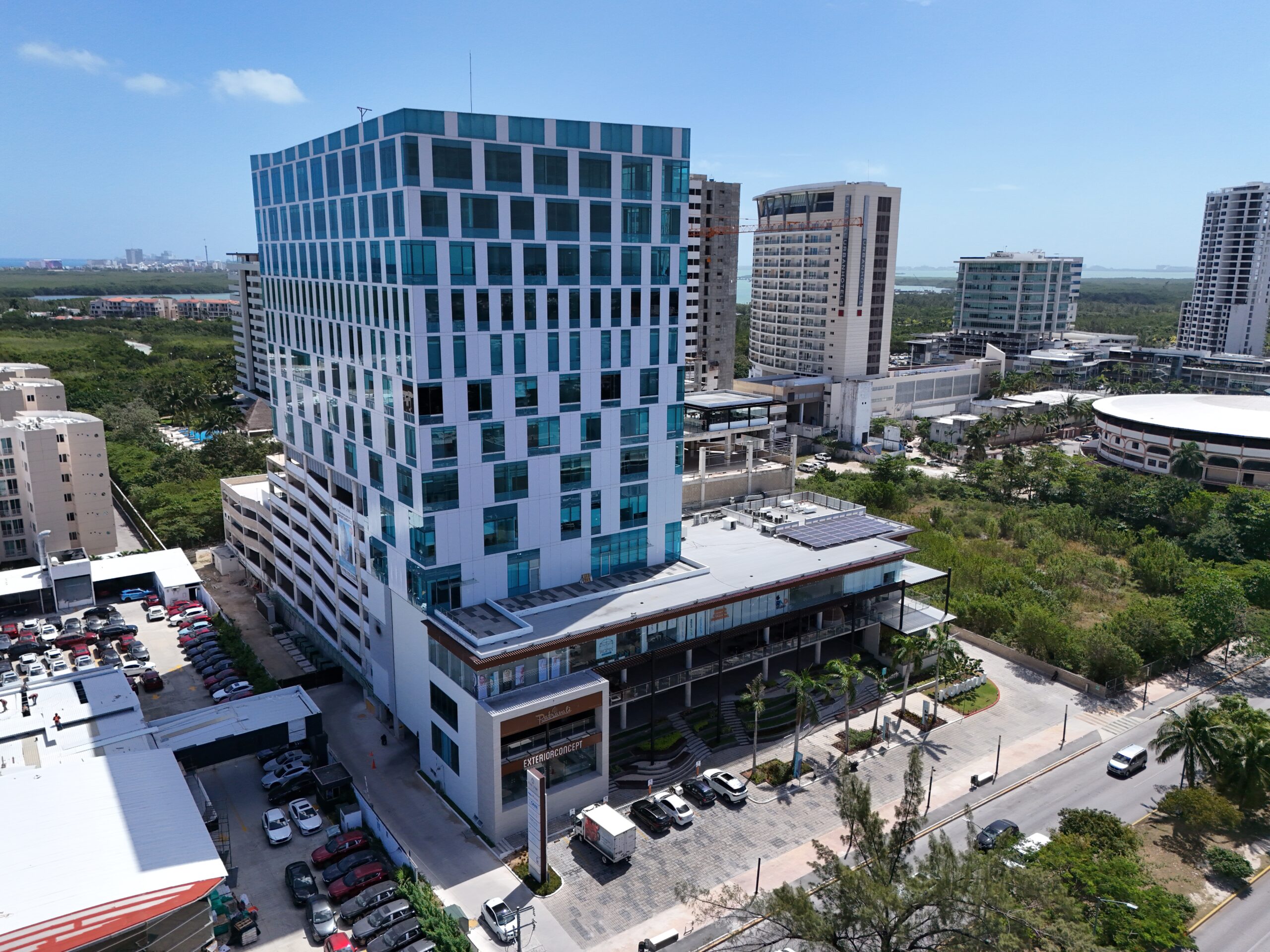
Cancun
Mexico
Served by an international airport with direct flights from major North American cities, making travel straightforward for visiting patients.
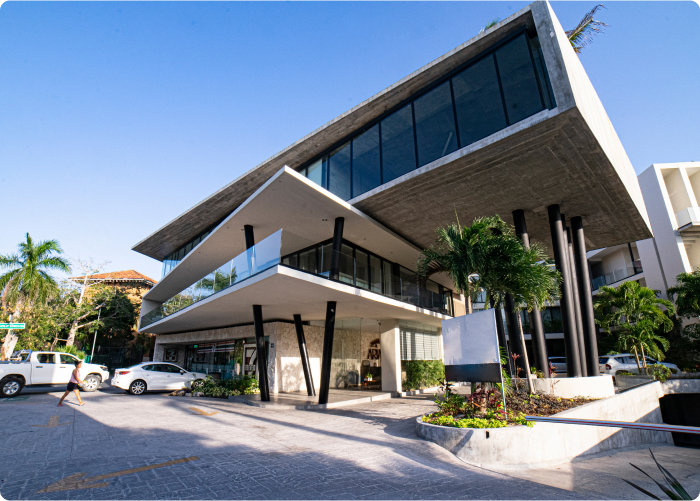
Playa del Carmen
Mexico
A coastal city along the Riviera Maya, offering a welcoming environment with established medical-tourism infrastructure.
Our Medical & Research Team
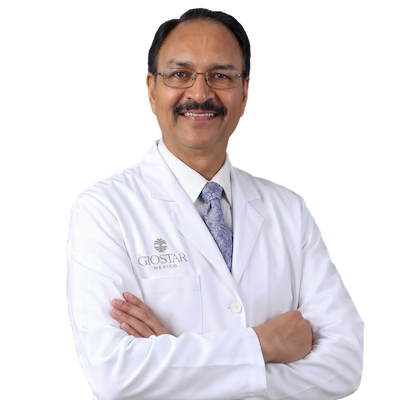
Dr. Anand Srivastava
Founder & Chief Scientific Officer
Specialty: Regenerative Medicine & Stem Cell Biology
Credentials: PhD, Cellular & Molecular Biology
Experience: 30+ years in stem cell research
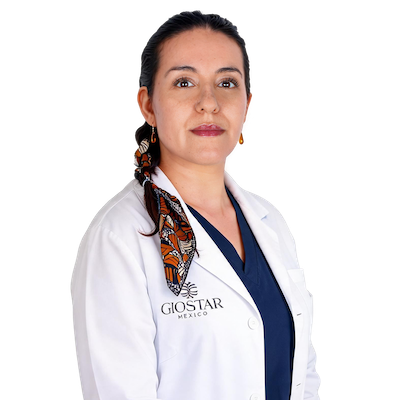
M.C. Diana Esquivel
Lead Scientific Member & Head of Laboratories
Specialty: Stem Cells and Regenerative Medicine
Credentials: M.C., Master of Science
Experience: 7+ years of experience
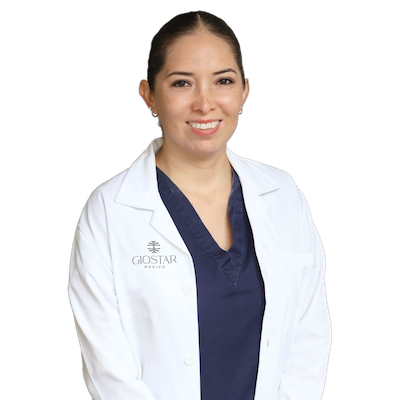
Dr. Cristina Santana
Medical Director, Playa del Carmen
Specialty: Neuroscience & Neuroanatomy
Credentials: MD, Board Certified — Internal Medicine
Experience: 5+ years clinical experience
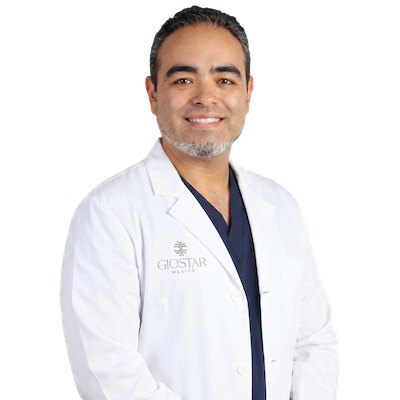
Dr. Daniel Garza
Medical Director, Los Algodones
Specialty: Regenerative Medicine & Stem Cell Therapy
Credentials: MD, Board Certified, Surgeon
Experience: 12+ years clinical experience
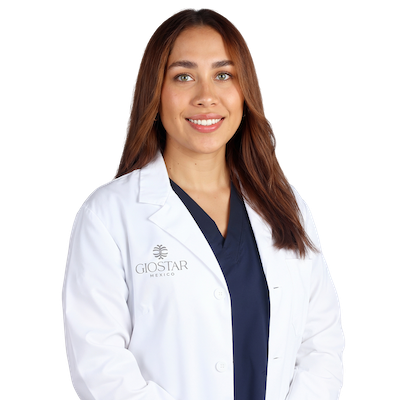
Dr. Evelyn García
Medical Director, Cancun
Specialty: Aesthetic Medicine Specialist
Credentials: MD, Board Certified, Surgeon
Experience: 5+ years clinical experience
Why Patients Choose GIOSTAR Mexico
COFEPRIS Regulated Environment
All procedures take place within the COFEPRIS regulatory framework — Mexico's official body governing biotechnology treatments.
Licensed Physicians
Every patient evaluation and clinical procedure is conducted by fully licensed medical professionals with specialized training.
In-House Laboratory Capabilities
Cell processing takes place in our own certified laboratory — a controlled, sterile environment with full quality oversight.
International Patient Support
Dedicated patient coordinators assist international patients with logistics, communication, and educational resources.
Established Since 2016
GIOSTAR Mexico has been serving patients under COFEPRIS certification for nearly a decade, with an established clinical team.
Transparent Evaluation Process
Patients receive a thorough medical evaluation before any protocol discussion. Candidacy is not assumed — it is assessed.
Have Questions About Regenerative Medicine?
Request educational resources and learn more about the evaluation process.
Request Free Educational InformationFrequently Asked Questions
Free Educational Resources
Download these guides to learn more about regenerative medicine at your own pace.
Understanding Stem Cell Therapy
A comprehensive overview of stem cell biology, research history, and the current landscape of regenerative medicine.
Download PDFReady to Learn More?
Request your free educational guide about regenerative medicine and learn more about the patient evaluation process.
This website is for educational purposes only and does not constitute medical advice. Always consult a licensed physician before making any medical decisions.
Important Disclaimer: This page is intended solely for educational purposes. Information presented on this website does not constitute medical advice, diagnosis, treatment recommendations, or guarantees of outcomes. Individual results vary. Always consult a licensed physician before making any medical decision.